

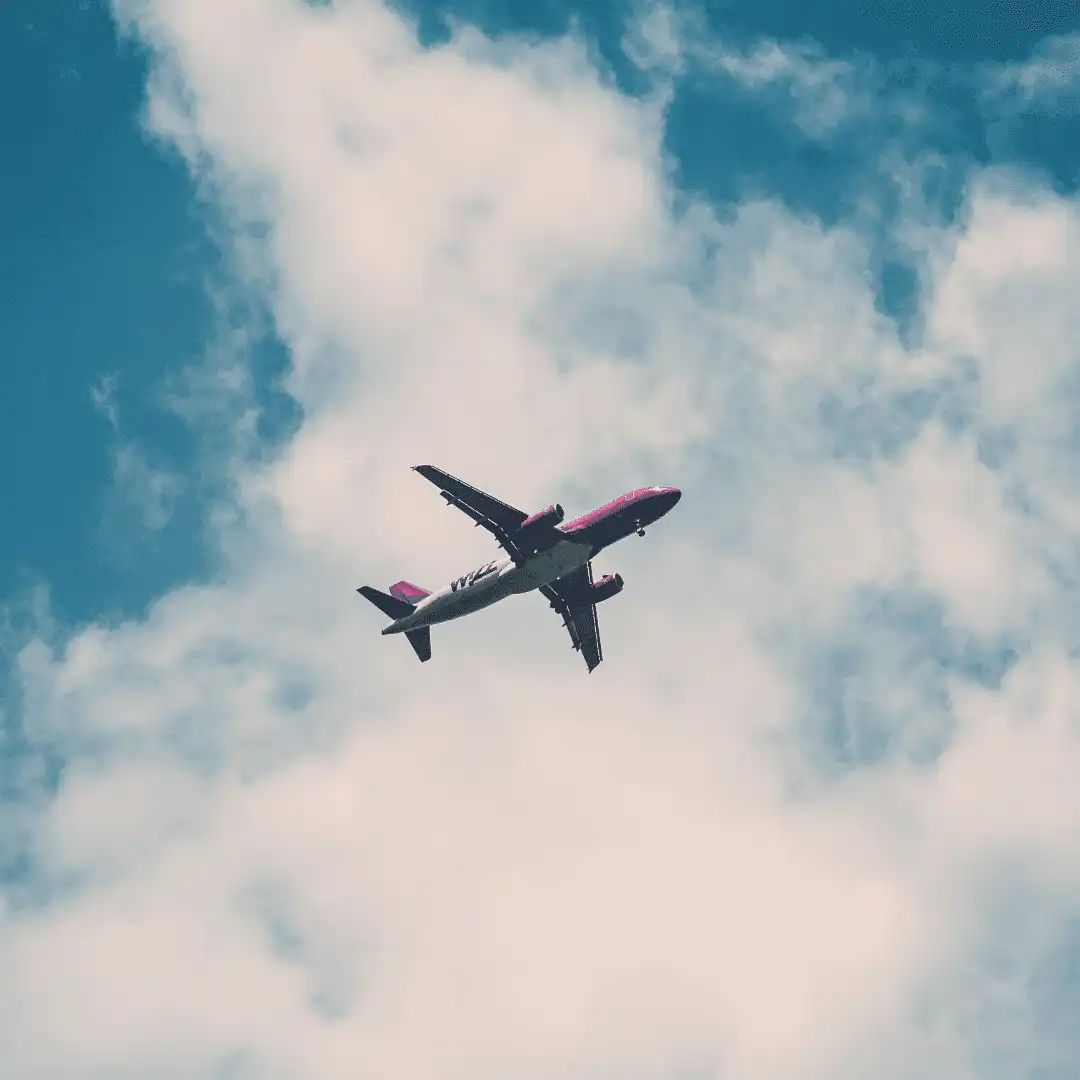
Travelling with IBS can be full of worry and anxiety, which can make your digestive symptoms even worse. Rushing through the airport, not knowing where the final set of toilets are before you board the plane. Or wondering what on earth you’re going to eat all day whilst you’re on the move so you end up hardly eating at all.
As a nutritional therapist specialising in IBS I’ve worked with hundreds of people with constipation, diarrhoea, gas, bloating and stomach aches. I’ve developed this checklist to help you plan your holiday travel if you have IBS so you can enjoy your time away with less focus on your digestion.
Here are tips to get your flare up free holiday off to a good start so you can enjoy your well earned rest.
Minimising IBS travel stress
Prepare foods to take – take a stash of your favourite IBS friendly foods in your case. Check out whether your holiday destination has a fridge, cooker and what kind of restaurants are nearby.
Bring any medication or supplements that help you during a flare up so you’re prepared in case you feel an IBS attack coming on. Here’s a list of helpful things to bring
- Laxatives / anti-diarrhoea medication – this could be essential or a nice to have, but you’ll want to have products you trust and feel comfortable with if you need them
- Fibre – you might find taking a supplement of PHGG (partially hydrolysed guar gum) a helpful addition. It adds soluble fibre to your diet which might be lacking when you’re away.
- Saccharomyces Boulardii – if you have diarrhoea predominant IBS or SIBO this beneficial yeast supplement can be very helpful to slow down gut transit a little. (It’s not like taking an over the counter med, but more of a longer term strategy) Try taking for a week or two before you travel and whilst away.
- Wipes – take your favourite wipes to keep clean when travelling
Get prepared to communicate what you need – If you’re travelling somewhere the language is different then learn a few words to help explain what you need. Can’t eat onions? Make sure you know the word for onion in the local language.
You can use Google translate to get a complete phrase you can show them on your smartphone, or write it down. One of my clients has a list of her foods she can’t eat and has translated it into Spanish and laminated it. She gives this to the restaurants when she goes out for a meal on holiday so the cooks can read her needs.
Key things you might want to say include phrases like:
- Where are the toilets?
- I can’t eat xyz
- Does this food have xyz in it?

Preparing to travel with IBS and SIBO
For most people the run up to a holiday can feel very draining. The mix of finishing up that project at work and remembering everything you need to pack can leave us all feeling exhausted!
And then if you add in your extra worry about your digestion, it can be enough to put you off going away! In the lead up to travelling:
- Reduce stress – not always easy, but can you build in 15 mins a day to practice meditation and deep breathing for a week before you go? Soothing the gut brain axis can really help you build the foundations for a calmer digestion.
- Reduce irritants to your gut such as alcohol, caffeine and spicy foods for a few days before. You could even consider going low FODMAP to remove fermentable carbs from your diet to reduce gas and bloating pre-travel. (see my 7 day meal plan for some ideas of how to eat low FODMAP).
- Take a ‘travellers probiotic‘ – there is beneficial yeast called Saccharomyces Boullardii often called the travellers friend because it can help as a preventative measure against diarrhoea from holiday stomach bugs. Always check with your doctor or nutritional therapist first if this is a good idea for you and your individual situation.
- Get enough sleep so you don’t feel overly tired for your journey. When we’re tired we tend to feel more anxious which can trigger a flare up. The gut-brain axis controls

Download the FREE Low FODMAP Starter Kit
Make it easy to start the low FODMAP diet
Download this guide to start your IBS diet today.
Flying with IBS – what to eat to avoid bloating on the plane
When a plane climbs to cruising altitude, the cabin pressure drops. This causes any gas in bottles, packets, and yes, your digestive system to expand in volume. If you’ve ever pulled out a bag of crisps mid-flight and found it puffed up like a balloon, that’s exactly what’s happening inside your gut.
For people with IBS, who already tend to be more sensitive to the sensation of gas and pressure, this expansion can feel really uncomfortable even if you don’t have an excessive amount of gas to begin with.
To minimise trapped gas during your flight follow these tips:
- Bring snacks with you that you feel comfortable with. Rice cakes with peanut butter might be ok in the airport, but avoid eating nuts on a plane due to potential allergies. Choose instead marmite, jam or cheese.
- Foods like some well tolerated fruit preprepared could help keep you refreshed – pick kiwi, pineapple, blueberries or banana.
- Choose easy to eat protein such as egg or meats which help keep you full and gives you slow release energy.
- Sip water frequently to stay hydrated.
- Drink peppermint or ginger tea to relieve gas – bring a flask or ask for hot water to add to your tea bags. See other teas that can help IBS in my previous blog post.

How to avoid bloating when travelling
People with IBS are often more sensitive to the feeling of gas and you so may feel very bloated on a long flight.
- Wear comfortable clothes with a loose stretchable waistband, and avoid tight bras.
- Practice deep breathing when you’re on the move. Long slow out breaths can help engage your brain to let your body know you’re safe. Exhaling helps our body get out of ‘flight or flight’ mode, and can reduce feelings of anxiety.
- Move around as much as you can – if it’s a long flight get up and walk about.
- You can ask for an aisle seat to make this easier, and to reduce the awkwardness of asking your neighbour to move each time you want to get up.
Travelling with IBS-C – reducing constipation
If you’re more prone to constipation and you’ve got to fly then here’s some specific tips for travelling with constipation:
- Use laxatives for a few days before you go so you’re not too backed up on the flight. Don’t forget to take your laxatives with you as well, the first few days of holiday can often slow down your motility as well.
- Most people feel a little dehydrated when flying so if you’re normally constipated you’ll need to keep the water handy.
- Try to move around as much as possible during the flight, get up and stretch which can help avoid the biuld up of gas.

Book a Free 30-minute Enquiry Call
Book a free 30 min discovery call to discuss working with me on your digestion.
Travelling with IBS-D – reducing loose stools
Travelling with IBS isn’t impossible, you can do it with a bit of careful planning.
- Choose low FODMAP foods on the day before you travel, this will help minimise any extra urgency whilst on route.
- Keep your anti-diarrhoea medication close by in case you need it.
- Keep breathing slow exhalations whilst you’re in queueing to keep the adrenaline low. Feeling stressed can increase the need to go to the bathroom.
- Whilst it is uncomfortable, you can use the bathroom on a plane so don’t feel you can’t get up. Select an aisle seat if you can so you don’t feel awkward about asking people to move for you.
What to eat when you’re on holiday abroad with IBS
It can be tempting to try all the local new foods, but unless you’re sure what is in the dishes, you could be left with bloating, diarrhoea or cramps later that night. However it’s pretty miserable to eat only a few boiled plain vegetables and dry chicken when everyone else is tucking into their favourite foods.
For this reason, some people with IBS take the option to ‘go wild’ on holiday and allow themselves to eat things they don’t normally eat at home like ice cream or chips. And actually, I find this can actually work out well on many occasions.
Here’s some tips on eating out when you have IBS:
- Try to stick to plain foods like grilled fish or meat with rice or potatoes.
- Ask for vegetables to keep up your fibre intake – this helps to form a regular stool that will be easier to pass the next day. Fibre also helps with loose stools by binding the poo together.
- Most people with IBS, even with a lactose intolerance, can manage some cheese so don’t be afraid of a little parmesan sprinkled on foods.
- Eat fruits like kiwi, pineapple, banana, papaya, raspberries and blueberries
If you do sample local foods start cautiously and enjoy the new tastes!
Avoiding IBS flare ups on holiday
Keep a regular routine if you can, this helps your digestion if you keep your routine as normal as possible.
- Make time for a walk everyday, this can help encourage better sleep. If you normally practice yoga or do some other exercise then aim to build that into your holiday as well.
- Take an eye mask and ear plugs – getting the best sleep you can will help reduce feelings of anxiety and sensations of pain.
- Avoid drinking alcohol which can irritate the gut (or at least have alternate days off to help your body recover)
- Stay hydrated by sipping on water throughout the day.
Will IBS improve on holiday?
You may find your digestion is better on holiday, away from the daily stresses of work and always being on the go. Some people feel better when they take a break from daily life.
Some clients feel like they can tolerate more foods, and even enjoy a glass of wine at times when on holiday.
Why does IBS get worse on holiday?
Sometimes a change from the routine that keeps your digestion stable can trigger your IBS. So things like erratic meal patterns, lack of movement, or drinking alcohol can all affect your gut and might be more common on holiday. Try to stick to regular meal times, stay hydrated and don’t forget to eat low FODMAP fibre foods such as raspberries, carrots, oats, rice, and broccoli.
Is flying bad for IBS?
Flying changes the air pressure which can make any gas trapped in your gut swell and feel more sensitive. Try to get up and move around the plane to avoid trapped gas. If you’re constipated then getting the gut moving before you travel can help avoid feeling too stuck during the flight. You may also feel dehydrated so fill up your water bottle after security to sip on water throughout the flight.
Get help for travelling when you have IBS
If you’d like me to help you prepare for travelling with IBS contact me about the Gut Reset programme. It’s a 3 month 1:1 nutrition coaching for IBS that will leave you with confidence in your IBS diet and a toolkit of ways to manage your digestion.
Email on info@goodnessme-nutrition.com

Hi, I’m Anna Mapson, registered nutritional therapist
I help people with IBS and SIBO get control of unpredictable gut symptoms to find long term relief from painful and embarrassing IBS without restrictive dieting.
I can help you to eat more, fear food less and build a healthy gut.
Find more about my 3 month 1:1 Gut Reset programme.

2 comments
Vicki Roush
Hello, I have a long history of IBS/SIBO issues. I try to manage by sticking to low Fodmap diet. I’m getting ready to travel out of the country, I know some people take probiotics, but with SIBO it is not recommended. I have a friend nutritionist and she said they might make things worse. What are your recommendations.
Anna
Hi Vikki some people take probiotics ahead of travel, most often when they are travelling somewhere the water won’t necessarily be clean, so it depends where you’re travelling to. The ‘probiotic’ I mention in the article Saccharomyces Boullardii is often suitable (even recommended) in SIBO. I can’t make recommendations over a blog post, but if you’d like to contact me for personalised advice please use the contact page to book a call with me.