Bloating – What’s causing it and how to feel better
Bloating is one of the most common symptoms my IBS and SIBO clients struggle with, and is normally the only sign of digestive issues that’s visible to the rest of the world.
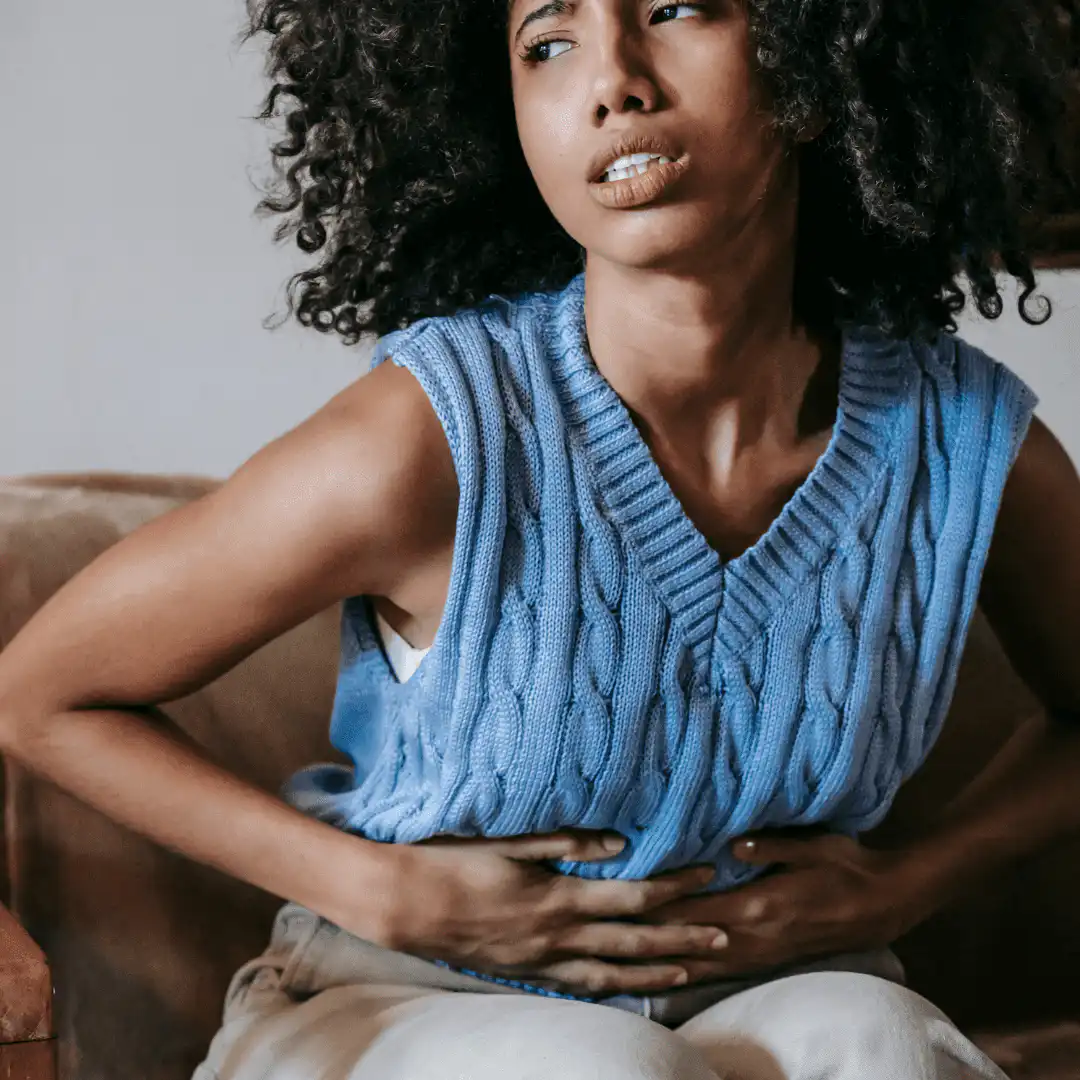
You might look 5 months pregnant by the afternoon or have to undo your waistband just to get comfortable.
For some people, the pressure from bloating pushes upward into the chest and triggers reflux or even causes palpitations in extreme cases.
Does your bloating increase slowly through the day, or do you feel full and swollen immediately after eating?
Timing might indicate what’s going on in your gut, but as we are eating multiple times through the day it can make things difficult to work out.
NB: If your bloating is new or has suddenly worsened, always check in with your doctor first to rule out anything more serious.
When do you bloat?
The timing of your bloating could give you some clues about the causes
Bloating on an empty stomach
- Gut-brain connection – Some people feel bloated when they just think about food or get anxious about eating. The gut can react to stress before you even get the first mouthful in.
- Gastritis can also cause bloating, pain and burning on an empty stomach.
- When you haven’t eaten the small intestine performs a cleaning wave (the migrating motor complex), which can also cause the gallbladder to contract. If bile flow is sluggish or the ducts are inflamed, this can feel uncomfortable under the ribs. An inflamed bile duct or gallstones could cause sharp pains, bloating or a constant ache under the ribs.
Bloating during a meal or straight afterward
When food leaves the stomach it enters the small intestine where it’s processed by digestive enzymes, microbes and other ‘juices’ to break down the food and allow for absorption. Things that can add to bloating after meals:
- Swallowing too much air (talking while eating, drinking fizzy drinks).
- Low stomach acid, eating too quickly or not chewing your food enough.
- Gastroparesis (slow stomach emptying) so food sits in your stomach too long, and can feel heavy for a long time.
- Eating very large, rich meals.
- Gallbladder issues if you feel worse after eating fatty meals.


1–2 hours after meals
- Food will start to pass into the small intestine, so fermentation here suggests malabsorption, SIBO, or enzyme insufficiency.
- Early signs of food intolerances.
Later in the day / evening
- Food intolerance, or a lack of stomach acid or digestive enzymes can lead to gas build up through the day. This is a typical IBS pattern.
- Constipation (not fully emptying bowels).
- Cumulative effect of meals and poor motility.

How food could be playing a role
Gas-producing foods are one of the most obvious triggers for bloating, but it’s not always down to to your food. The low FODMAP diet can be an effective dietary intervention, because it removes the carbohydrates most likely to ferment and cause gas.
But a lot of people I work with get stuck on the diet, which is why I’ve created the Low FODMAP Diet Exit Plan – to help people transition OFF the FODMAP restriction.
Bloating isn’t just about what you eat, it’s also about how your digestion is working. If food restriction hasn’t helped, it may be worth considering whether SIBO, constipation, or how emotions and stress are contributing to how your digestion is working.
If you’d like to dig deeper into SIBO, head over to my SIBO page
You don’t have to keep guessing
Book a consultation today and take the first step towards calmer digestion and more energy

Do you have enough digestive ‘power’?
To break down food properly, you need:
- Stomach acid to start protein digestion and protect against microbes
- Digestive enzymes from the pancreas and small intestine to break down carbs, proteins, and fats
- Bile flow to digest fats and keep bacteria in check
These important digestive juices can be reduced by stress or ongoing anxiety, PPI medication, SIBO, or hormone changes. If you don’t digest your food properly this could contribute to bloating and distention.
I explain this more in my 3 month Gut Reset programme

Undereating & bloating
A lack of food in your digestive system can slow it down. This can make you feel more bloated, and if you’re underweight you might also notice a more visible change in the abdomen after eating a big meal.
Undereating is one of the most common causes of bloating that I see, and one that people don’t always believe at first because it might feel counterintuitive to eat more to beat bloating.
When my clients eat enough food again, with regular meals, I have seen positive improvements in bloating, energy, sleep and mood.

Could constipation cause bloating?
If you’re not having a poo every day or every other day, or if your stools are hard, dry, or incomplete, then food and bacteria can sit in the gut longer than they should, leading to bloating, feeling full and discomfort.
Some people think they’re “not constipated” because they go every few days. Actually, this is one of the biggest drivers of bloating I see.