Opens in a new tab
Book a Free Discovery Call

Constipation – What’s causing it and how to feel better

Did you know you can be constipated, even if you go to the toilet every day? Constipation often shows up in not feeling an urge to open your bowels, having to strain for a long time to get anything out, or hard dry stools like rabbit droppings.

NB: If your constipation is new or has suddenly worsened, always check in with your doctor first to rule out anything more serious.

There are different types of constipation and it can be caused by poor diet, pelvic health issues, microbes in the gut or nervous system issues.

Book a Consultation
Posted on Google Google
Helen profile picture
Helen
Google star 1Google star 2Google star 3Google star 4Google star 5Trustindex verifies that the original source of the review is Google.
I really appreciated Anna's guidance and support during the Gut Reset Programme Anna is very professional and knowledgeable and approaches IBS in a really holistic way. I have lost weight and not taken any reflux medication since starting this programme, which feels like great progress - I have some residual SIBO and bloating issues which I feel I now have the tools to help fully resolve. Thanks Anna!! Helen x
Posted on Google Google
JK profile picture
JK
Google star 1Google star 2Google star 3Google star 4Google star 5Trustindex verifies that the original source of the review is Google.
After struggling for 10 yearswith gut problems, visiting various hospital consultants and dieticians, undertaking hypnotherapy, self-directed FODMAP dieting, and making little real headway, I finally discovered Anna and Goodness Me Nutrition. I specifically wanted help to reduce my long-term reliance on a low FODMAP diet . After completing her suggested diary for 10 days, I sent it to Anna who immediately spotted the type of foods that were triggering symptoms. Over the subsequent 3 months she guided me to avoiding or restricting those foods and reintroducing a range of other foods that I have been excluding or restricting for the past 10 years - as it turns out now, unnecessarily. It has changed my life and my outlook on food. Anna has been patient, understanding and full of practical advice and a great deal of knowledge about food and the FODMAP diet. She suggested some supplements that have been helpful but she has not bombarded me with lots of tests or pills like others have in the past. At the start of the process I wasn't sure whether this process would help after so many other failed attempts but it has been a revelation. With each session I have learned something new. Anna also has an extensive set of resources - videos, diary sheets, meal plans, etc which have been a great help. I am no longer aiming in the dark. I know what to eat, what to avoid, and how to manage symptoms if they recur. Thank you to Anna and I wholeheartedly recommend her.
Posted on Google Google
Sylvia profile picture
Sylvia
Google star 1Google star 2Google star 3Google star 4Google star 5Trustindex verifies that the original source of the review is Google.
Working with Anna has been life changing! She guided me through small lifestyle and nutrition changes one step at a time and it’s helped me build lasting habits that support my gut health. I now feel and look healthier than I have in years thanks to her expertise. I highly recommend her to anyone struggling with gut health issues.
Posted on Google Google
hanna jeffery profile picture
hanna jeffery
Google star 1Google star 2Google star 3Google star 4Google star 5Trustindex verifies that the original source of the review is Google.
Working with Anna has been exactly what I needed. My long-standing IBS became unmanageable as peri-menopause began and my list of 'safe' foods started disappearing. Exercise was off the cards and some days, even a loose-fitting elastic waistband was painful. Eating with other people was an issue with my longer and longer lists of things not to feed me - and I would always come home craving what I had seen. After a few flare ups that followed nothing more than eating fruit, I decided it was time for professional advice. The last few months have changed my mindset completely. I really appreciated Anna taking a holistic view of my health to maximise the benefit of our sessions. I am now focused on the positive things I can do with my diet and health, both daily and when flare-ups happen. I now have a handle on the combination of triggers that cause flare-ups rather than jumping to conclusions about food culprits. As a result, I now enjoy varied and fear-free eating - and no longer spend hours and money trawling for answers and fixes. The gut re-set course has certainly lived up to its name.
Posted on Google Google
Liam McGill profile picture
Liam McGill
Google star 1Google star 2Google star 3Google star 4Google star 5Trustindex verifies that the original source of the review is Google.
I can't recommend Goodness Me Nutrition highly enough. I sought help for ongoing IBS symptoms, and the support I received was excellent from start to finish. Anna took the time to understand my symptoms, lifestyle, and diet, and provided clear, practical advice that was tailored to me rather than a generic approach. The recommendations were easy to follow and made a real difference to my digestive health. I've gained a much better understanding of my triggers (Being much less than I thought) and have seen significant improvements in my IBS symptoms as a result. Professional, knowledgeable, and genuinely caring throughout the process. If you're struggling with IBS or other digestive issues, I would highly recommend Goodness Me Nutrition.
Posted on Google Google
Stacy Austin profile picture
Stacy Austin
Google star 1Google star 2Google star 3Google star 4Google star 5Trustindex verifies that the original source of the review is Google.
I worked with Anna after 2.5-3 years of significant GI issues that impacted every aspect of my life. She was extremely helpful in helping me find my triggers (be patient, it takes time), and she accurately diagnosed my SIBO condition. I was seeing a GI doctor, a primary care doctor, a local dietitian, and a Stanford GI specialist, but none of them recommended any dietary treatment for my IBS symptoms. After working with Anna, I have a much happier gut, my mood has improved significantly (it's amazing what an unhappy gut can do to your mood), I am losing less hair, and I am feeling much more energized and focused. I am eating whole foods, high in fiber, and 5+ fruits and veggies per day, which has significantly helped my symptoms. She is absolutely wonderful to work with ~ I feel so fortunate to have stumbled across her podcasts!
Posted on Google Google
Maisa S profile picture
Maisa S
Google star 1Google star 2Google star 3Google star 4Google star 5Trustindex verifies that the original source of the review is Google.
Anna is great in helping in SINO/IMO journey. She will care about listening to details and tackle the issue from the roots. She indicated motility is a main issue for IMO and that a patient needs to address this one to get rid of IMO beside other actions. It’s long journey but she will make sure to help and provide the right supplements.Thank you Ana for your great help.
Posted on Google Google
Sophia Harding profile picture
Sophia Harding
Google star 1Google star 2Google star 3Google star 4Google star 5Trustindex verifies that the original source of the review is Google.
Anna is absolutely fantastic. She takes a holistic, whole lifestyle approach to addressing gut issues, and she really knows her stuff. Highly recommend.
Posted on Google Google
Ally profile picture
Ally
Google star 1Google star 2Google star 3Google star 4Google star 5Trustindex verifies that the original source of the review is Google.
I'd really recommend working with Anna! I've had IBS for years and I felt like I'd already tried everything, but she helped me to see it from different angles and took a holistic view of everything. Anna's very knowledgeable and it reassured me to go through my symptoms with her and understand that what I was viewing as constipation might not actually be constipation and might have a different cause; likewise with my diet (I thought I knew which FODMAPs I was intolerant to and was already avoiding them, but I learned more about this with her intervention). I found all of this very containing and it helped cleared up some of the mystery for me. She also helped me realise that I thought I was eating healthily by eating a very low-fat diet and prioritising high-fibre vegetables, but actually I needed to eat more healthy fats and a wider range of foods, as my diet had become somewhat limited. I also had a problem where I felt dehydrated constantly and was drinking too much water to combat this, and Anna helped me a lot with this, to the point where the problem has now completely resolved. That made a big difference to my quality of life, so I'm really happy about that! Thank you Anna for everything.

What’s causing your constipation?

There are three main types of constipation:

Personalized Diet iconPersonalized Diet light icon

This type of constipation shows up with straining, difficulty with evacuation, bloating, abdominal pain or discomfort and hard stools. Typical causes are a low fibre high fat diet, not eating enough food, or medications.

Weight Management iconWeight Management light icon

Slow motility means the muscles of the intestine and large bowel don’t work properly leading to slow movement of contents through the bowel down to the rectum. You might not often feel an urge to poo, and could get hard stools. Slow transit time could be linked to issues with low serotonin or high levels of methane gas.


Personalized Diet iconPersonalized Diet light icon

If the pelvic floor muscles are unable to coordinate with the surrounding muscles and nerves you can’t produce a normal bowel movement. A pelvic health physio can be useful. Testing the strength and weakness of the anal muscles is necessary for a diagnosis of dyssynergic defecation.

What constipation really feels like

Is this you?

  • You need at least half an hour on the toilet each morning to have a poo, and you still don’t feel like you’ve properly emptied your bowels.
  • In the mornings you rarely feel hungry and can wake up feeling nauseous.
  • You’re scared in case you need the toilet out of the house because it takes so long to go each time.

In constipation you might rarely feel an urge to have a poo, and feel like nothing is moving. Or you could open your bowels daily, but only produce hard pellets or dry stool that is very painful to pass.

Other issues with constipation include fissures, haemorrhoids and severe bloating.

Book a Consultation
Nutritionist reviewing a meal plan with a man seated at a table, with fruits, a clipboard, and healthy food items visible in a bright kitchen setting.

Get the basics right

Constipation isn’t just caused by food, so you need to consider your symptoms from multiple angles, not just your diet. 

You may feel you’ve already tackled all the basic advice for constipation but are there any on this list you’re not yet doing? 

  • Hydration – If you’re dehydrated your body starts to absorb more water from the large intestine. When more liquid is removed this can lead to harder, drier stools.
  • Fibre – Eating foods containing fibre increases the size of the waste in the intestines which signals to your body you need to go to the toilet. Fibre also helps retain water making the stools softer and easier to pass.
  • Balanced diet – A high protein or high fat diet could slow down the gut, causing constipation, especially if you don’t eat enough fibre.
  • Eat enough food – If you don’t have enough volume of food coming through the digestive system you will have fewer poos.
  • Movement – Exercise can stimulate a bowel movement and keep your digestive system healthy.
  • Poo when you need to – If you are someone who can’t ‘go’ out of the house then you may be ignoring signals from your bowels. Over time this might reduce your ability to feel the urge to have a poo.
  • Gut–brain connection – Ongoing stress, anxiety or emotional upheaval can take its toll on your digestion. If you’re holding a great deal of stress, it may be slowing your gut transit time.

These activities would be the first things I’d suggest you work through if you are constipated. You might feel they are too basic to make much difference, but the ‘boring basics’ (as I like to call them) can be overlooked in the search for a perfect supplement or food to eliminate. 

Get constipation sorted

You don’t have to keep guessing

Book a consultation today and take the first step towards calmer digestion and more energy

Book A Free Discovery Call

Gut-brain connection in constipation

Have you noticed that symptoms appear when you eat while upset, rushed, or anxious? Stress diverts blood flow away from the gut, reduces stomach acid, and slows (or sometimes speeds up) motility. That’s why bloating, urgency, or constipation are common during stressful times.

Everyday situations can cause this response: grabbing lunch at your desk, family arguments at dinner, or constant worrying about work. The brain perceives stress as a threat, and the gut reacts accordingly.

  • A food trigger could cause bloating, but catastrophising thoughts and worry further upsets your digestion.
  • Emotional or mental stress could increase bloating or stomach pain, which leads to poor digestion when you do eat.

The more time we spend in fight or flight mode, the harder it is for digestion to function normally. Learning ways to activate the rest and digest state, such as eating slowly, relaxation, breathing, or low intensity movement, can help break the cycle.

Some clients don’t think of themselves as stressed, but when we talk more about their lives and daily routines it appears they are feeling chronic low-level anxiety.

View my 3 month Gut Reset
Nutritionist reviewing a meal plan with a man seated at a table, with fruits, a clipboard, and healthy food items visible in a bright kitchen setting.

Everyday habits that make constipation worse

Getting your eating routine set up for better bowel movements can make a big difference. If you’re doing any of these you might need to make some changes:

  • Skipping meals, especially breakfast – You’re most likely to have a poo in the morning, and eating can stimulate the need to go.
  • Low fibre diet – Fibre might feel like it slows things down, but if you get the combination of gel forming fibre and bulk forming right, it can aid an easier poo.
  • No exercise – Movement can help get the gut moving, and also allows gas to escape reducing bloating.

I help my clients to tweak these small habits, which can sometimes make a surprisingly big difference. 

Undereating & constipation

If you’ve been avoiding a lot of foods to reduce digestive symptoms like bloating and gas, you might find the volume of food you eat has decreased. 

When you don’t have three regular meals passing through the gut it can slow down. To increase your motility you often need to eat more than you are now, including more fibre. If fibre has been something you struggle with try lower FODMAP fibres like carrots, green beans, kiwi, potato, pineapple or spinach.  
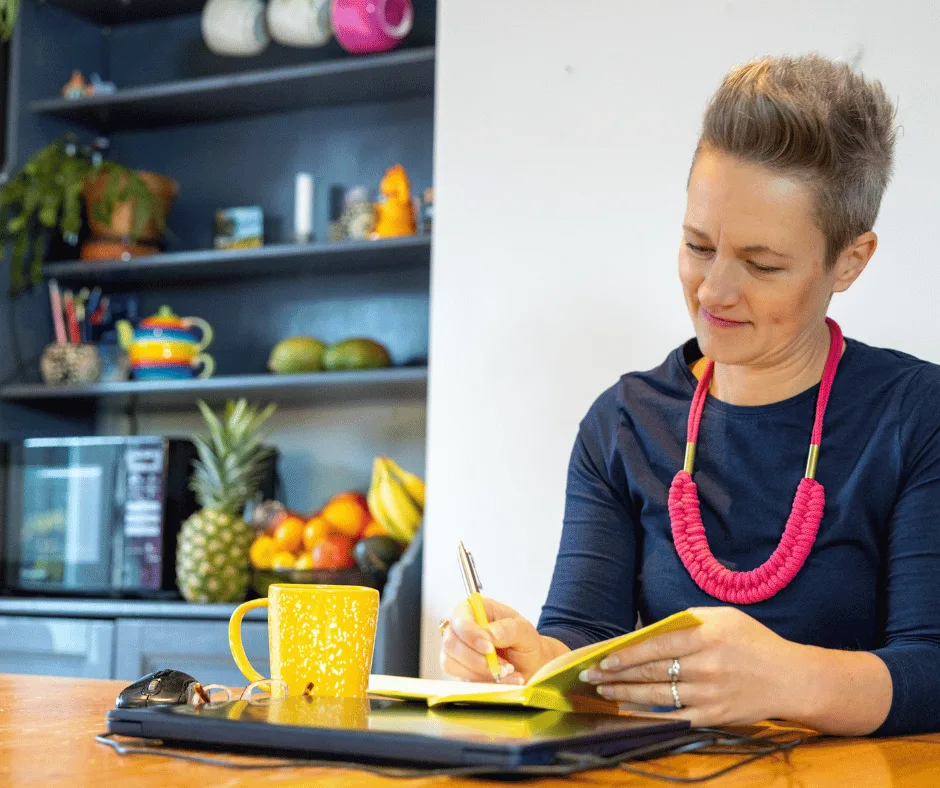
Learn more about undereating
Nutritionist reviewing a meal plan with a man seated at a table, with fruits, a clipboard, and healthy food items visible in a bright kitchen setting.Nutritionist reviewing a meal plan with a man seated at a table, with fruits, a clipboard, and healthy food items visible in a bright kitchen setting.

Is IMO driving your symptoms?

An overgrowth of methane in the large intestine is called Intestinal Methanogen Overgrowth. (Methane positive SIBO has recently been renamed IMO.)

Methanogens are microbes that produce methane gas. The more methane someone produces the more severe their slow gut transit time is likely to be.

If you know you have IMO then reducing the microbes, and therefore the gas levels could help with bloating, abdominal pains and bowel frequency. 

See how more about IMO and SIBO

Learn about IMO

What you can do next

❌ Myth: My diet is making me constipated
✅ Reality: Food is only one aspect of a slow transit time, but with the right help you can test evidenced interventions that move you forwards.

If constipation is making you feel stuck, then let’s get things moving. 

Explore other related symptoms:

Learn more about IBS and SIBO:

Improve IBS without changing your diet?

Download my top 5 non-food changes for better digestion.

Super simple tips for relief from painful and embarrassing IBS symptoms

Download free workbook