
When I work with clients I often end up recommending some supplementation alongside dietary changes. These aren’t essential, but may help speed up the way we address your symptoms.
These could be
- vitamins
- minerals
- probiotics
- digestive aids
You may be wondering why you need to pop pills if you’re eating a healthy diet. Well, there are a few reasons.
Diet deficiency
Unfortunately most people don’t eat a well balanced diet.
Most people don’t reach the ‘9 a day’ for fruits and vegetables recommendation from the WHO.
In fact most of us don’t even eat 5 a day. In 2018 the average intake was 3.7 portions of fruits & vegetables
Change in eating style
We tend to eat out more, have more pre-processed foods than people did 100 years ago. This leaves us with less control over the content of our food.
We also eat a more narrow range of foods these days which may limit the nutrients we are eating.
Processed foods make up your diet
Many of our core foods are heavily processed, removing most of the goodness (e.g. white bread, white rice) and moving away from the whole food.
Your diet or lifestyle may deplete nutrients
There are lots of things in modern life that take nutrients away from our diet. So even if you’re eating well, you might need more than your friend or sister.
Alcohol, calorie restriction diets (e.g. low fat diets), genetic pre-dispositions or common medication can deplete our levels of minerals (e.g. the oral contraceptive pill).
Should I take supplements?
I use supplements as a boost to your dietary changes to speed things along, but I consider their use carefully, and always recommend an end date.
If you’ve got a chronic condition chances are there could be nutrient insufficiency.
Don’t just take nutritional supplements without proper advice, or in place of making dietary changes.
In some cases supplements can help you feel better more quickly, but different nutrients can interfere with each other, creating more problems.

IBS Nutritionist
Hi, I'm Anna Mapson, registered Nutritional Therapist.
I help people with IBS and SIBO get control of unpredictable gut symptoms to find long term relief from painful and embarrassing IBS without restrictive dieting.
I can help you to:
- understand your digestion better, so you recognise your triggers
- eat a well balanced diet, with tasty meals that are simple to prepare
- reintroduce your trigger foods so you can get back to enjoying food again
Find more about my 3 month 1:1 Gut Reset programme.
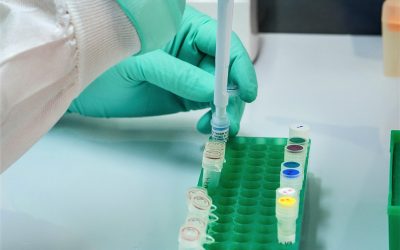
Should I get a stool test for IBS?
If you've had IBS for a while you might be considering getting a stool test, but should you bother? As an IBS nutritionist I sometimes use this tool to help my clients. What can a stool test tell you? Stool testing can tell you your levels of abundance of healthy and...
The Best Diet for IBS
If you want to change your diet to support a sensitive digestion how do you know which is the best diet for IBS? There are many diets reported to improve Irritable Bowel Syndrome. After years of working in this field as an IBS nutritionist I find with my Gut Reset...
How to lose weight when you’ve got IBS
Are you fed up of trying to lose weight, but feeling frustrated that healthy food trigger your IBS symptoms? It can feel like typical weight loss advice tells you to eat food that makes you feel bloated, gives you stomach pains or send you running to the bathroom. I...